
Tinnitus Relief
“Ringing in the ears” is the term often mistakenly applied to tinnitus. In reality, ringing in the ears is just one common symptom of tinnitus.
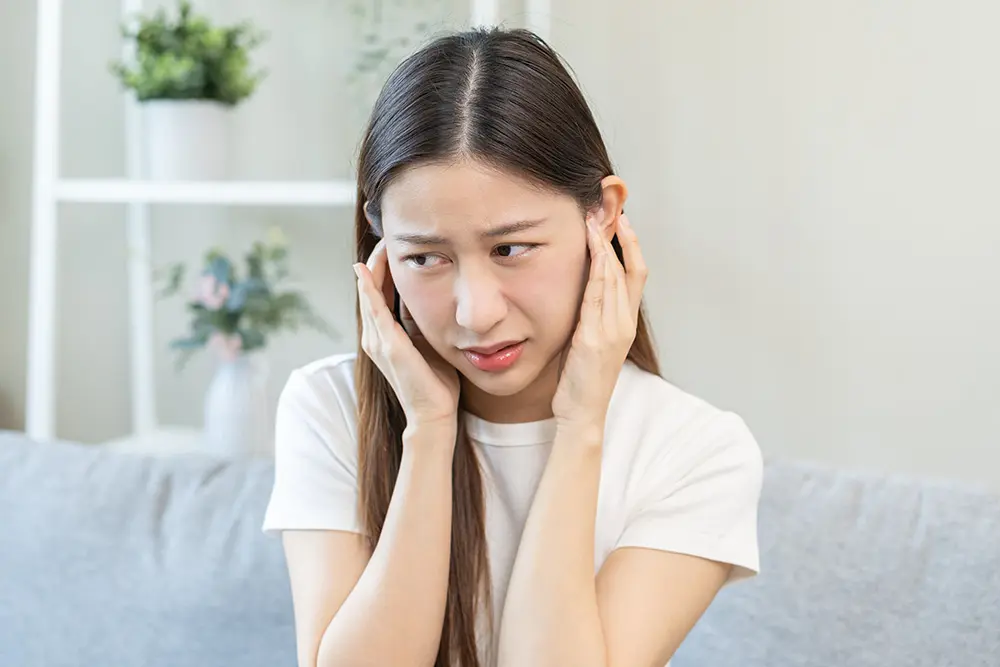
Noises like constant hissing, pulsating beats, and persistent humming are also very common for many people. You may be dealing with tinnitus if your life is being disturbed by these sounds.
When is Tinnitus a Serious Issue?
It may be a bit alarming when you have a sudden onset of phantom ear noise, but tinnitus is usually harmless. However, if these sounds come with symptoms like hearing loss, dizziness, or ear pain, you should consult an audiologist.
Can Tinnitus be Cured by Vitamins?
The claim that vitamins and supplements can miraculously cure tinnitus is something most people have probably heard. Sadly, these claims aren’t supported by scientific evidence. Nutrient deficiencies may have some link to incidents of tinnitus, according to some research, but it’s never been proven that the condition can be cured by the use of supplements.
Solutions for Relief of Tinnitus Symptoms
Even though tinnitus can’t be cured, it is possible to get relief. This chronic condition can have a variety of causes, and which one of these causes is triggering your tinnitus can be determined by our qualified audiologists.
We help relieve tinnitus by providing solutions tailored to your specific situation. Here are some strategies to manage tinnitus that can be very effective:
- Maskers
- Cognitive behavioral therapy
- Hearing aids
- Tinnitus retraining therapy
Don’t allow your life to be controlled by tinnitus. Get the quiet peace of mind you deserve, come in for a consultation and let us help you explore your options.
Frequently Asked Questions: Tinnitus Relief at Ascent Hearing Center
What exactly is tinnitus?
Tinnitus is the perception of sound in one or both ears when no external sound is actually present. While it is commonly described as "ringing in the ears," tinnitus can manifest as buzzing, hissing, humming, clicking, whooshing, or even pulsating beats. It is not a disease itself but rather a symptom often a sign that something in the auditory system needs attention. Tinnitus affects millions of Americans and can range from a minor occasional nuisance to a constant, disruptive presence that affects sleep, focus, and quality of life.
What causes tinnitus?
Tinnitus has many potential causes. The most common is prolonged exposure to loud noise, which can damage the hair cells in the inner ear responsible for transmitting sound signals to the brain. Other causes include age-related hearing loss, earwax buildup blocking the ear canal, ear infections, certain medications (known as ototoxic drugs), head or neck injuries, and conditions such as Meniere's disease or temporomandibular joint (TMJ) disorders. Identifying the underlying cause is a critical first step toward finding effective relief which is why a professional evaluation with Dr. Malan is so important.
Is tinnitus permanent, or will it go away on its own?
It depends on the cause. Tinnitus triggered by a temporary condition — such as earwax buildup, an ear infection, or short-term noise exposure — may resolve once the underlying issue is addressed. However, tinnitus caused by permanent inner ear damage tends to be chronic. The good news is that even chronic tinnitus is very manageable with the right treatment strategies. Many patients find that with proper care, the sounds become far less noticeable and far less disruptive over time.
When should I see an audiologist about tinnitus?
You should schedule an evaluation if your tinnitus is persistent, worsening, or accompanied by other symptoms such as hearing loss, dizziness, ear pain, or discharge. You should also seek care if tinnitus is affecting your sleep, your ability to concentrate, your mood, or your daily life in any meaningful way. A sudden onset of tinnitus in one ear especially without an obvious cause warrants prompt evaluation. Dr. Malan at Ascent Hearing Center can assess your situation and help determine the most appropriate course of action.
Can tinnitus be cured?
Currently, there is no universal cure for tinnitus particularly when it results from permanent inner ear damage. However, this does not mean you are without options. A wide range of effective management strategies exist that can significantly reduce how noticeable and disruptive your tinnitus is. Many patients who pursue treatment report that tinnitus no longer controls their daily life. The goal of treatment at Ascent Hearing Center is to give you relief and restore your quality of life, even if complete elimination isn't possible.
What tinnitus treatment options does Ascent Hearing Center offer?
Dr. Malan takes a personalized approach to tinnitus management, tailoring solutions to your specific type and severity of tinnitus. Treatment options include sound masking devices that produce soothing background noise to cover up the tinnitus, hearing aids (which are particularly effective when tinnitus is accompanied by hearing loss), tinnitus retraining therapy (TRT) which trains the brain to tune out the tinnitus signal over time, and cognitive behavioral therapy (CBT) techniques to help change the emotional response to tinnitus. Your treatment plan will be built around what works best for your lifestyle and symptoms.
Can hearing aids really help with tinnitus?
Yes for many patients, hearing aids are one of the most effective tools for managing tinnitus, especially when tinnitus is accompanied by hearing loss. By amplifying environmental sounds, hearing aids reduce the contrast between silence and the tinnitus signal, making it far less noticeable. Many modern hearing aids also include dedicated tinnitus masking features that play soft, customizable sounds directly in the ear. Dr. Malan can evaluate whether hearing aids would be beneficial for your situation and help you find the right device.
Can vitamins or supplements cure tinnitus?
Despite what many online advertisements may claim, there is no scientific evidence that vitamins or supplements can cure tinnitus. Some research suggests that certain nutrient deficiencies may be associated with tinnitus in some cases, but taking supplements has never been proven to eliminate the condition. Rather than spending money on unproven remedies, the most effective path to relief is a professional evaluation to identify the cause and explore evidence-based treatment options.